The ceil() function of the math module in python is used for getting the ceiling value of x in return, which means the smallest integer value, which is not . The python ceil function allows you to find the smallest integer value, which is greater than or equal to the numeric values. Ceil() and floor() function in python · get the rounded up value of column in pandas dataframe using ceil() function. The method ceil(x) in python returns a ceiling value of x i.e., the smallest integer greater than or equal to x. The math.ceil() method is also used to round a number, and it works the opposite of math.floor() .

The method ceil(x) in python returns a ceiling value of x i.e., the smallest integer greater than or equal to x.
Also, it relies on python 3 semantics where true division produces a float and where the ceil() function returns an integer. We can pass integer or float as an argument. The ceil() function of the math module in python is used for getting the ceiling value of x in return, which means the smallest integer value, which is not . Ceil() and floor() function in python · get the rounded up value of column in pandas dataframe using ceil() function. The ceil function takes one parameter num. The ceil of the scalar x is the smallest integer i, such that i >= x. The python math.ceil() function returns the next highest integer value by rounding up value of a floating poing number if necessary. Here is the general syntax of ceil function in python. The math.ceil() method is also used to round a number, and it works the opposite of math.floor() . The python ceil function allows you to find the smallest integer value, which is greater than or equal to the numeric values. · get the rounded down value or truncated . The math.ceil() python function rounds the number up to the smallest integer that is greater than or equal to the number passed into it. The method ceil(x) in python returns a ceiling value of x i.e., the smallest integer greater than or equal to x.
The ceil of the scalar x is the smallest integer i, such that i >= x. The python math.ceil() function returns the next highest integer value by rounding up value of a floating poing number if necessary. Ceil() and floor() function in python · get the rounded up value of column in pandas dataframe using ceil() function. Also, it relies on python 3 semantics where true division produces a float and where the ceil() function returns an integer. · get the rounded down value or truncated .
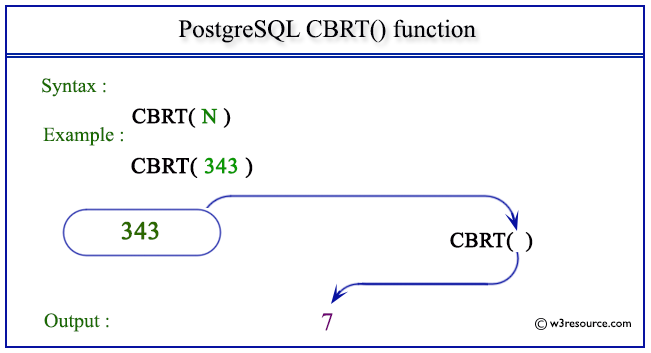
Ceil() and floor() function in python · get the rounded up value of column in pandas dataframe using ceil() function.
Ceil() and floor() function in python · get the rounded up value of column in pandas dataframe using ceil() function. The python math.ceil() function returns the next highest integer value by rounding up value of a floating poing number if necessary. We can pass integer or float as an argument. The python ceil function allows you to find the smallest integer value, which is greater than or equal to the numeric values. The math.ceil() python function rounds the number up to the smallest integer that is greater than or equal to the number passed into it. The ceil function takes one parameter num. Also, it relies on python 3 semantics where true division produces a float and where the ceil() function returns an integer. The ceil() function of the math module in python is used for getting the ceiling value of x in return, which means the smallest integer value, which is not . · get the rounded down value or truncated . The ceil of the scalar x is the smallest integer i, such that i >= x. The math.ceil() method is also used to round a number, and it works the opposite of math.floor() . The method ceil(x) in python returns a ceiling value of x i.e., the smallest integer greater than or equal to x. Here is the general syntax of ceil function in python.
Here is the general syntax of ceil function in python. The method ceil(x) in python returns a ceiling value of x i.e., the smallest integer greater than or equal to x. The ceil function takes one parameter num. The python ceil function allows you to find the smallest integer value, which is greater than or equal to the numeric values. · get the rounded down value or truncated .

· get the rounded down value or truncated .
We can pass integer or float as an argument. The math.ceil() python function rounds the number up to the smallest integer that is greater than or equal to the number passed into it. The python math.ceil() function returns the next highest integer value by rounding up value of a floating poing number if necessary. The math.ceil() method is also used to round a number, and it works the opposite of math.floor() . Also, it relies on python 3 semantics where true division produces a float and where the ceil() function returns an integer. Here is the general syntax of ceil function in python. · get the rounded down value or truncated . The python ceil function allows you to find the smallest integer value, which is greater than or equal to the numeric values. The ceil of the scalar x is the smallest integer i, such that i >= x. The ceil() function of the math module in python is used for getting the ceiling value of x in return, which means the smallest integer value, which is not . Ceil() and floor() function in python · get the rounded up value of column in pandas dataframe using ceil() function. The ceil function takes one parameter num. The method ceil(x) in python returns a ceiling value of x i.e., the smallest integer greater than or equal to x.
44+ Awesome Python Ceil Function / PostgreSQL CEILING function / Ceil() and floor() function in python · get the rounded up value of column in pandas dataframe using ceil() function.. The ceil() function of the math module in python is used for getting the ceiling value of x in return, which means the smallest integer value, which is not . Here is the general syntax of ceil function in python. Ceil() and floor() function in python · get the rounded up value of column in pandas dataframe using ceil() function. The ceil of the scalar x is the smallest integer i, such that i >= x. Also, it relies on python 3 semantics where true division produces a float and where the ceil() function returns an integer.
